
02 Aug How To Use Colours In Interior Design
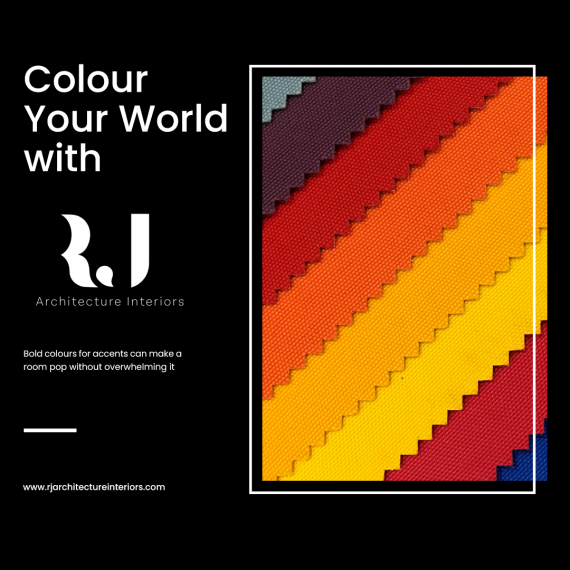
Colours play an important role in the world of interior design. Colours have the power to stimulate emotions, set the mood, and create a sense of harmony and balance in a space. When colours are used correctly, colours can transform a room from a dull and boring space to a vibrant and inviting space. We will explore how to use colours effectively in interior design. We will explore topics on colour such as theory, colour scheme, creating visual interest, the use of neutrals, and to accessorise with colours.
Colour Theory
It’s important to understand the basic theory of colours, before we get into the practical side of using colours in interior design. Colour theory is the study of how colours work together and how they impact our emotions and perceptions. Colours form part of the tool box for an interior designer. The colour theory is based on the colour wheel, which comprises primary, secondary, and tertiary colours. Colour relationships such as complementary, analogous, and triadic colours are built from the colour wheel.
The colour wheel is a useful tool for choosing colours that work well together. Complementary colours which are opposite colours on the colour wheel, they create a high contrast and bring energy to a room. Analogous colours are next to each other on the colour wheel, they create a harmonious and calming effect. Triadic colours which are evenly spaced on the colour wheel, offer a balanced and dynamic scheme in a space.
Colour Scheme
A colour scheme is the combination of colours used in a space or room. When designing a space, it’s important to choose a colour scheme that aligns with the purpose and mood of the space in the room. An example of this would be, warm colours like red, orange, and yellow are known to stimulate energy and creativity, making them ideal for a home office or a fitness room. On the other hand, cool colours like blue, green, and purple have a calming effect, and make them perfect for bedrooms and living areas.
There is an approach in design called the 60:30:10 rule when using colours in a space. The rule recommends using the most dominant colour within the palette for 60 percent of the space, the secondary colour for 30 percent of the space, and the accent colour for the last 10 percent of the space.
Creating Visual Interest
Colours are also used to create visual interest in a room or space. One of the ways to achieve this is by using one colour in a colour scheme, which involves using different shades of a colour. This creates both a subtle and sophisticated look while adding depth to the space.
Another way to add visual interest is by incorporating patterns and textures in different shades of the same colour. For example, pairing a solid blue sofa with a patterned blue rug and textured blue pillows can create a cohesive and visually appealing look.
Neutral Colours
Neutral colours such as black, white, grey, tans, and browns are often used as a base colour in interior design. Neutral colours are unsaturated and they exude a calming effect. These colours give out a relaxing background and maintain a beautiful flow in your interior space without any distractions.They provide a clean and timeless backdrop for other colours to stand out. Neutrals can also help balance out a room that has a lot of vibrant colours, creating both a sense of calm and harmony. Whether your taste is traditional or contemporary; whether you like subtle colours or their pop versions; neutrals will compliment them all.
Accessorising
Accessories are an excellent way to add colour to a space without committing to a permanent change. This could be through throws, throw pillows, blankets, rugs, artwork, or even plants. Accessories can also be easily switched out to change the colour scheme of a room.
Colours form part of an important aspect in interior design. They have the power to create a mood, add visual interest, and bring a sense of balance to a space. Colours used correctly, can transform a room from something dull and boring into something beautiful. Understanding the basics of colour theory allows you to be able to choose a suitable colour scheme and incorporating accessories will help in creating a stunning and functional space that reflects your personality and style. Remember to have fun and don’t be afraid to experiment with colours to find the perfect balance for your space.
Contact us today, and let’s turn your vision into a reality. Your dream space awaits!
Sorry, the comment form is closed at this time.